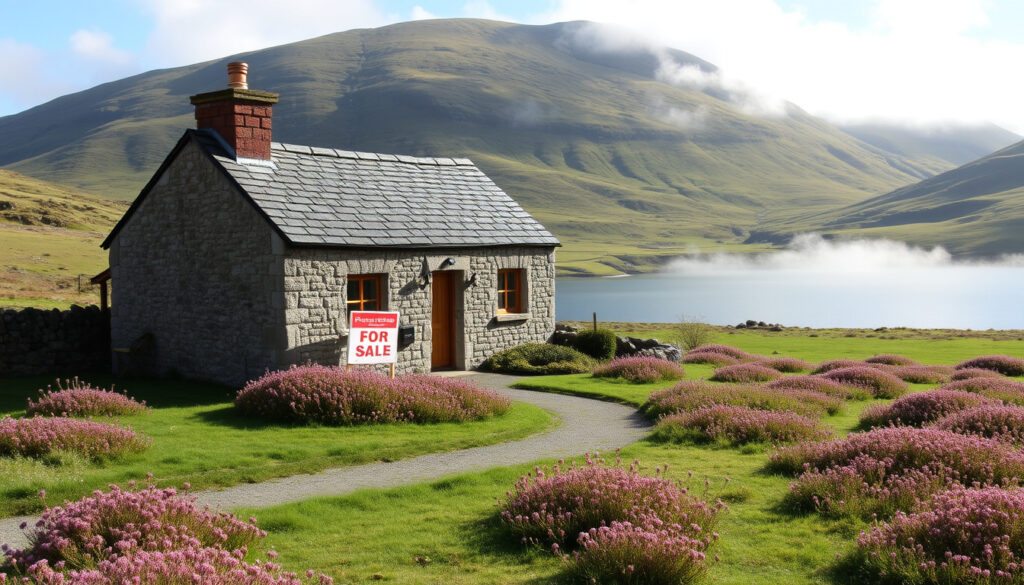
Houses for Sale Scotland – Listings, Prices and Buyer’s Guide
Scotland’s housing market has demonstrated remarkable resilience through 2024, with average house prices climbing to £199,000 in July before settling at £189,000 by December. Property values across the nation have consistently outpaced the UK average, rising 6.9% year-on-year in the final months of the year. Whether searching for a family home in Edinburgh, an affordable flat in the Scottish Borders, or a rural retreat in West Lothian, prospective buyers face a market defined by regional disparities and evolving opportunities.
Understanding where to find listings, what to budget for, and how Scotland’s buying process differs from the rest of the UK can make the difference between a smooth purchase and a frustrating experience. The Scottish property system operates under distinct legal frameworks, including the mandatory Home Report and a blind bidding process that requires specific knowledge to navigate effectively.
This guide covers the essential websites for finding houses for sale in Scotland, current average prices across regions, the best locations for different buyer profiles, and step-by-step guidance through the purchasing process. Data comes from official sources including Registers of Scotland and ESPC market reports.
Top Websites for Houses for Sale in Scotland
Finding the right property starts with knowing where to look. Scotland’s property market is served by several major portal sites, each offering different tools and coverage.
The largest platforms include Rightmove, which hosts the broadest selection of Scottish properties, and Zoopla, known for its comprehensive market data and price comparison features. OnTheMarket provides verified listings directly from estate agents, while ESPC focuses specifically on Edinburgh and the Lothians region. For premium properties, Savills offers access to higher-end listings across Scotland’s major cities.
The Scottish Government Housing Reports provide additional context on market trends that complement portal listings. Registers of Scotland maintains official transaction records that can be cross-referenced with advertised prices to assess whether properties are priced competitively.
Key Market Insights
- Prices rose 6.0% year-on-year in July 2024, outpacing the UK average of 2.2%
- Detached houses averaged £349,880, up 7.8% annually
- Flats remained more affordable at £139,182 on average, suitable for first-time buyers
- New listings in the Edinburgh/Lothians/Fife/Borders region increased by 2.1% recently
- Sales volumes declined by 6.9% regionally, indicating tighter supply
- Median sell time stands at 23-32 days depending on region
- Properties achieved 101% of Home Report valuation in Edinburgh
| Fact | Value | Source |
|---|---|---|
| National Average Price (July 2024) | £199,000 | Registers of Scotland |
| Q3 2024 Average | £232,000 | Scottish Government |
| Edinburgh Average | £306,273 | ESPC |
| Scottish Borders Flats | £106,663 | ESPC |
| West Lothian Houses | £318,828 | ESPC |
| House Price Index (June 2024) | 142.6 (base 2015=100) | Statista |
Average House Prices in Scotland 2024
Scotland’s housing market showed strong performance throughout 2024, with regional prices varying significantly based on property type, location, and local demand factors. The UK House Price Index data for Scotland reveals consistent year-on-year growth across most segments.
National Price Overview
The national average house price reached £199,000 in July 2024, representing a 6.0% increase compared to the same period in 2023. By December, the figure had settled at £189,000—still up 6.9% year-on-year—reflecting seasonal softening typical of winter months. The Q3 2024 average of £232,000, as reported by Registers of Scotland, illustrates the upward trajectory across the broader market.
Property type significantly influences purchase price in Scotland. Detached houses command the highest premiums at £349,880 average, while semi-detached properties average £211,706. Terraced houses trade at approximately £168,717, and flats remain the most accessible entry point at £139,182. Each category showed positive annual growth in July 2024, with detached properties leading at 7.8% year-on-year increase.
Understanding Regional Disparities
Scotland’s property market is not monolithic. Edinburgh commands the highest prices in the Lothians region, with all-property averages reaching £306,273 and houses specifically averaging £397,402. Flats in the capital trade at £268,948 on average. However, these figures represent different dynamics than the national average, which includes more affordable rural and semi-rural areas.
East Fife emerged as a standout performer, with average prices reaching £325,124—representing an 11.7% year-on-year increase that outpaces almost every other region. This growth occurred despite relatively lower sales volumes, suggesting strong demand against constrained supply.
West Lothian offers a middle ground for buyers, with houses averaging £318,828 and flats at £124,727. The region saw house prices rise 5.8% annually, making it attractive for those seeking more space without Edinburgh’s premium. The Scottish Borders present a contrasting picture: houses at £277,259 showed healthy 3.8% growth, but flats at £106,663 experienced a significant 15.5% year-on-year decline, creating opportunities for budget-conscious buyers.
Affordability for First-Time Buyers
First-time buyers in Scotland typically face a choice between flats in urban centres and properties in more affordable regions. The national average flat price of £139,182 positions this property type as the most accessible entry point into homeownership. Regions like the Scottish Borders and West Lothian offer even lower averages for flats, though buyers should verify condition and location factors that may influence long-term value.
The market analysis for late 2024 notes that sales volumes have declined by approximately 6.9% in key regions, yet prices have remained firm. This suggests sustained demand even as available inventory tightens, which could benefit buyers who act decisively in high-demand areas.
Best Places to Buy Houses in Scotland
Choosing where to buy depends on budget, lifestyle preferences, and priorities around growth potential, commute times, and community amenities. Scotland offers diverse options across its cities, towns, and rural areas.
Edinburgh: Premium Market with Strong Fundamentals
Scotland’s capital remains the most expensive market, yet it offers relative stability. Edinburgh’s all-property average reached £306,273, with houses averaging £397,402. Flats in the city average £268,948 and have shown resilience with 1.8% annual growth compared to a 2.3% decline for houses.
Properties in Edinburgh sell quickly, with a median time of 29 days. Homes achieve approximately 101% of Home Report valuation, indicating that buyers are willing to pay slightly above asking price in competitive situations. The city’s strong labour market, cultural amenities, and transport links to other UK destinations support continued demand.
Edinburgh’s higher entry costs may challenge first-time buyers with limited deposits. Properties achieving 101% of Home Report value suggest competitive bidding in desirable neighbourhoods. Prospective buyers should obtain mortgage agreement in principle before viewing to strengthen their position.
East Fife: The Growth Leader
East Fife stands out as Scotland’s top performer for price growth, with averages reaching £325,124 and an impressive 11.7% year-on-year increase. This growth outpaces both Edinburgh and the national average, suggesting strong buyer interest in the region.
For buyers prioritising capital appreciation, East Fife warrants serious consideration. The area combines coastal appeal with relative affordability compared to Edinburgh’s prime locations. However, growth patterns can be volatile; high previous returns do not guarantee future performance.
West Lothian: Value and Accessibility
West Lothian represents a practical compromise between Edinburgh’s premium and more remote rural areas. Houses average £318,828 (up 5.8% annually) while flats remain accessible at £124,727. The 25-day median sell time for houses indicates efficient market conditions.
Commuters to Edinburgh benefit from rail connections and the M8 motorway, making West Lothian viable for those who work in the capital but seek more space for their budget. The area includes towns like Livingston with established amenities and schools, appealing to family buyers.
Scottish Borders: Quick Sales and Lower Entry Costs
The Scottish Borders offer a distinctive proposition: houses sell quickly (23-day median time) at £277,259 on average, while flats remain the most affordable option in our data at £106,663. The 3.8% annual growth for houses indicates steady appreciation.
However, the flat market tells a different story. The 15.5% year-on-year decline for flats suggests oversupply or shifting demand in the rental-heavy segment. Buyers seeking long-term rental income should research local rental yields and demand factors carefully before purchasing flats in this region.
Finding Homes Under £100,000
Properties under £100,000 exist in Scotland but require focused searching. The Scottish Borders offer the clearest examples: flats averaged £106,663, meaning many individual properties trade below the £100,000 threshold. West Lothian’s flat average of £124,727 suggests a smaller selection of sub-£100k options.
Rural properties and ex-local authority flats in areas like Glasgow’s peripheral schemes may also offer sub-£100k opportunities, though specific data for these segments remains limited in available market reports. Buyers prioritising budget should consult local estate agents and ESPC listings for current availability.
How to Buy a House in Scotland: Process and Tips
Scotland’s property system differs from the rest of the UK in several important ways. Understanding these distinctions helps buyers navigate the process efficiently and avoid costly mistakes.
The Home Report: Scotland’s Mandatory Requirement
Every property listed for sale in Scotland must include a Home Report, a document prepared by the seller that includes a survey, energy performance certificate, and single survey valuation. This requirement gives buyers standardised information for comparison and negotiation.
Properties across key regions achieved approximately 101% of Home Report valuation, according to ESPC market data. This benchmark helps buyers assess whether asking prices align with market conditions and whether properties are likely to achieve or exceed valuations.
Review the Home Report survey section carefully. Properties may have noted maintenance issues or category 2 repairs that could affect your decision or provide negotiating leverage. Engage a solicitor early to review the document and advise on implications for your purchase.
The Offer Process: Blind Bidding and Closing Dates
Scottish property sales typically operate through a blind bidding system. Sellers set a closing date for offers, and buyers submit offers without knowledge of competing bids. Approximately 17% of properties in recent reporting periods sold via this method, though private treaty sales (where offers are negotiated directly) also occur.
This system requires buyers to decide their maximum offer based on research and financial capacity rather than competitive intelligence. Offering above asking price is common in desirable areas, particularly Edinburgh, where achieving 101% of Home Report valuation has become standard.
Timeline and Typical Costs
The typical time from offer acceptance to settlement is 6-8 weeks, though this can vary based on chain length and mortgage processing times. The Scottish Government’s housing review notes that median sell times range from 23 days in the Scottish Borders to 32 days in other regions.
Key costs beyond purchase price include Land and Buildings Transaction Tax (LBTT, Scotland’s equivalent to stamp duty), solicitor fees, survey costs, and mortgage arrangement fees. First-time buyers benefit from LBTT relief on properties up to certain thresholds, which can significantly reduce upfront costs.
Market Timing Considerations
The Scottish market showed resilience through 2024 despite economic pressures. Interest rate movements affected affordability, causing the December 2024 monthly figure to dip slightly to £189,000 (down 0.5% from the previous month) after seasonal adjustment. However, the 6.9% annual increase demonstrates sustained value growth.
For buyers wondering whether now is the right time to purchase, current conditions suggest a stable market with moderate growth. Sales volumes have declined, which may reduce competition in some areas, yet prices have remained firm. Those with secure employment and competitive deposits are well-positioned to enter the market.
Working with Professionals
Engaging a Scottish solicitor early in the property search provides significant advantages. They can review Home Reports, advise on offer strategy, and ensure legal requirements are met throughout the transaction. Registers of Scotland handles official registration of property transactions, and your solicitor manages this process.
For mortgage financing, obtaining agreement in principle before viewing properties strengthens your position as a serious buyer. Several lenders offer products tailored to Scottish property transactions, and comparing options through a mortgage broker or independent comparison tools helps identify competitive rates. Those exploring financing options may find it helpful to review our guide to West Bromwich Building Society – Reviews Rates Safety History for context on mortgage provider choices.
Scottish Property Market Timeline
Understanding how Scotland’s housing market has evolved provides context for current conditions and future expectations.
- 2020: The COVID-19 pandemic caused an initial price dip followed by an unprecedented boom as buyer preferences shifted toward larger homes and outdoor space.
- 2022: The market reached peak averages, with prices climbing to approximately £200,000 nationally as demand outpaced supply.
- 2023: Growth slowed as interest rates increased, but prices remained elevated, indicating underlying market strength.
- July 2024: Average prices reached £199,000 nationally, with strong annual growth of 6.0% outpacing the broader UK average.
- Q3 2024: Registers of Scotland reported quarterly averages of £232,000, demonstrating continued upward movement.
- December 2024: Prices settled at £189,000 with 6.9% annual growth; seasonal factors and interest rate pressures caused monthly contraction.
- Late 2024–2025: Sales volumes declined while prices remained firm, suggesting a stabilising market with resilient demand.
This progression illustrates Scotland’s consistent price growth trajectory, with temporary slowdowns during economic uncertainty but no sustained price falls of the magnitude seen in some previous cycles.
What We Know and What Remains Uncertain
Established Information
- Official average prices from Registers of Scotland and HM Land Registry
- Property listings updated daily on major portal sites
- Home Report valuations required for all Scottish properties
- Regional price variations between Edinburgh, East Fife, West Lothian, and Scottish Borders
- Blind bidding with closing dates is standard practice
- Prices rose 6-7% annually through 2024
Information That Remains Unclear
- Precise impact of future interest rate changes on affordability
- Specific Glasgow and Highlands price data beyond proxy indicators
- Exhaustive inventory of properties under £100,000
- 2025 and 2026 price projections and forecasts
- Long-term rental yield data for flat purchases
- Impact of potential policy changes on first-time buyer schemes
Buyers should base decisions on confirmed data where available and maintain awareness that market conditions can shift based on economic factors, policy changes, and local supply-demand dynamics.
Economic and Contextual Factors
Scotland’s property market operates within broader economic conditions that influence affordability and demand patterns. Interest rates in the 4-5% range through late 2024 affected mortgage costs and buyer capacity, contributing to the seasonal monthly dip observed in December figures.
Regional disparities shape market dynamics significantly. Cities like Edinburgh and Glasgow attract strong demand from professionals seeking employment and lifestyle amenities, supporting premium pricing. Rural areas offer relative affordability but may face limitations in employment opportunities, services, and transport links that affect long-term value retention.
Supply constraints in urban centres have sustained prices despite economic headwinds. The house price index for Scotland reached 142.6 in June 2024 (base 2015=100), with growth continuing into late 2025 at 109.4 and 4.5% year-on-year increase, indicating sustained market strength.
For prospective buyers, the current environment offers stability with moderate growth potential. Those considering purchases should research specific areas thoroughly, obtain mortgage pre-approval, engage solicitors early, and monitor market reports for emerging trends.
Sources and Expert References
This guide draws on official data from several authoritative sources to ensure accuracy and reliability.
Registers of Scotland provides the official house price index for Scotland, tracking transaction values and producing quarterly reports that serve as the primary reference for national and regional averages.
— Registers of Scotland, Scottish Housing Market Review Q4 2024
ESPC publishes detailed market reports covering Edinburgh and the Lothians region, including specific data on property types, sell times, and achievement against Home Report valuations that inform regional analysis.
— ESPC House Price Report
The UK House Price Index published by HM Land Registry and the Office for National Statistics provides comparable data across the UK, enabling assessment of Scotland’s relative performance.
Summary and Next Steps
Scotland’s housing market in 2024 demonstrated consistent growth, with average prices ranging from £189,000 to £232,000 depending on the time period and data source. Regional variations remain significant: Edinburgh commands premium prices above £306,000, while the Scottish Borders offer more accessible entry points around £106,000 for flats. East Fife emerged as the strongest growth performer at 11.7% annual increase.
Prospective buyers should identify their priorities—whether price, location, property type, or growth potential—and research accordingly. Major portal sites provide comprehensive listings, while official sources like Registers of Scotland offer the market context needed for informed decisions. Those interested in alternative property options may want to explore our guide to Static Caravans for Sale – UK Prices Parks and 2025 Guide as a comparison.
Frequently Asked Questions
Are there houses for sale under £100,000 in Scotland?
Properties under £100,000 exist but are limited. The Scottish Borders offer flats averaging £106,663, meaning many individual properties fall below this threshold. Rural areas and certain urban peripheral locations may also have sub-£100k options, though inventory is sparse in desirable areas.
What deposit do I need to buy a house in Scotland?
Standard mortgage deposits range from 5-20% of the purchase price, though lenders typically require higher percentages for riskier profiles. First-time buyers often aim for 10-15%, while buy-to-let investors may need 20-25%. Your mortgage advisor can specify exact requirements based on your financial situation.
Is now a good time to buy property in Scotland?
Current market conditions show stable prices with moderate growth (6-7% annually through 2024) and resilient demand despite economic pressures. Sales volumes have declined, potentially reducing competition in some areas. Those with secure employment and competitive deposits may find favourable conditions, though individual circumstances should guide the decision.
What are the best areas for first-time buyers in Scotland?
West Lothian offers house prices around £318,828 with good commuter links to Edinburgh. The Scottish Borders provide more affordable entry points, particularly for flats around £106,663. Edinburgh remains challenging for first-time buyers due to premium pricing, but flats at approximately £268,948 represent the more accessible segment.
How does the buying process in Scotland differ from the rest of the UK?
Scotland requires a Home Report for every property sale, includes blind bidding with closing dates as standard practice, and uses Land and Buildings Transaction Tax (LBTT) instead of stamp duty. Settlement timelines typically run 6-8 weeks from offer acceptance. Engaging a Scottish solicitor early is essential due to these distinct requirements.
What new build houses are available in Scotland?
New build data remains limited in available market reports. Existing resold properties averaged £184,912 with slower monthly growth of 0.2%. New listings in key regions have increased slightly according to ESPC reports. Developers like Cala Homes, Stewart Milne, and Persimmon operate in Scotland, though specific availability requires checking individual developer websites and portal listings.
More related posts
 UK India Trade Deal 2025: Value, Details, and Impact
 Sydney Sweeney Jeans Ad – American Eagle Controversy Explained
 Manchester United F.C. vs Athletic Bilbao – Complete Match Guide
 Harley Moon Kemp: Biography, Age, Parents & Career
 Today’s Premier League Fixtures: Schedule & TV Guide
 When Is the Next World Cup? 2026 Dates, Hosts & Schedule
 Roald Dahl Book Guide: Most Famous Books & Reading Order
 John Denver: Complete Facts, Cause of Death, and FAQs
